Raymond A. Kuderka
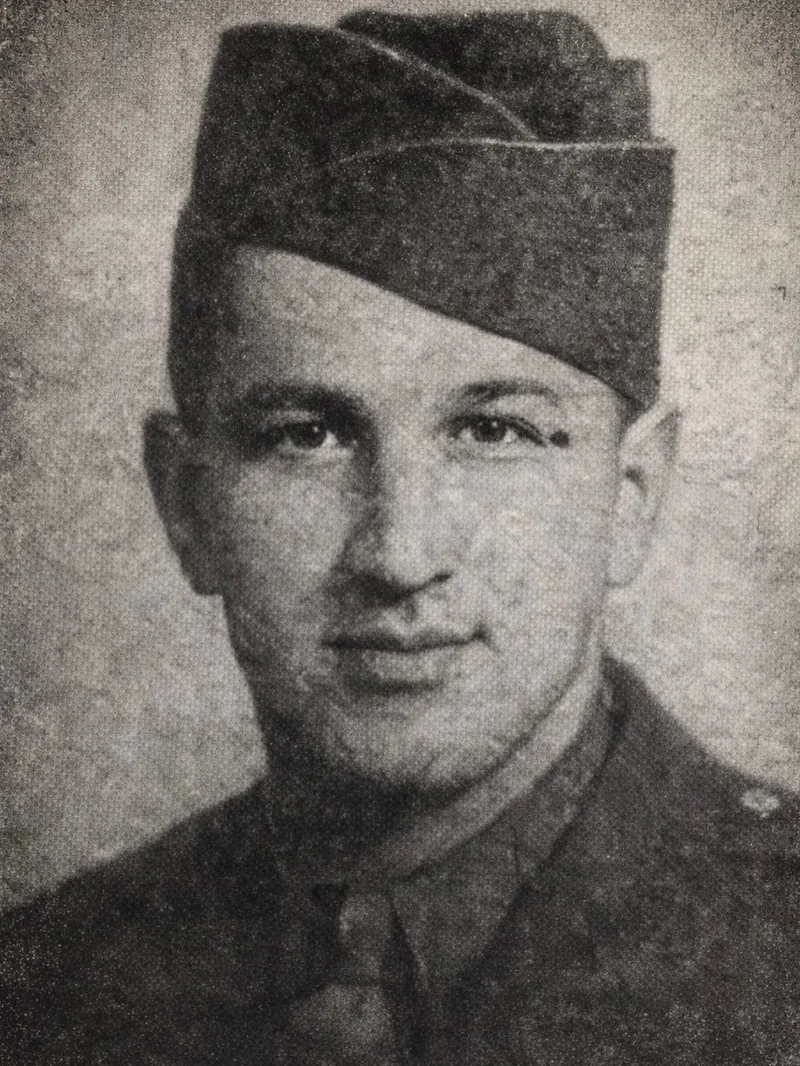
Staff Sergeant Raymond A. Kuderka
Everyone was supposed to leave that night. He did the opposite. On Christmas 1944, while the men of Task Force Hogan prepared for a silent breakout from encircled Marcouray, a makeshift aid station in the Delcourt farm sheltered 14 wounded men unable to walk.
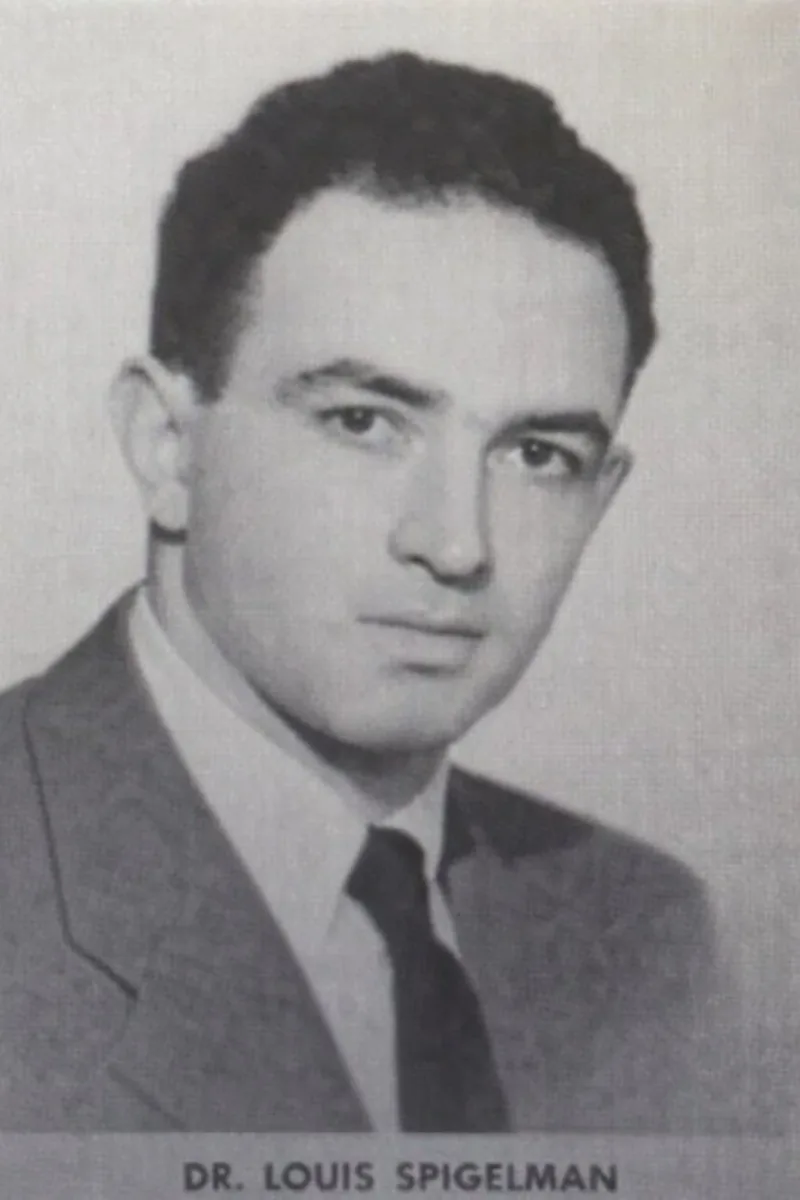
Around them, Captain Spigelman's medical team kept treating the wounded — Americans and Germans alike. Among them was Staff Sergeant Raymond A. Kuderka. Inside that room, war stopped at the door. Outside, the column was preparing to vanish into the forest.
Kuderka and the other medics knew exactly what would happen. If they stayed, they would be captured. They did not stay for glory. They stayed because it was their job to care for the men who could not move. The next morning, the Germans entered the village. They became prisoners and, for weeks, part of those listed as Missing in Action.
A later newspaper clipping reported that S/Sgt. Raymond A. Kuderka, first listed missing in Belgium after December 25, was safe and in good health after being liberated from a German prisoner-of-war camp. It was proof that what happened in Marcouray was not only a story of escape, but also a story of those who stayed behind so that others would not be abandoned.
It was more than a motto. It was a rule, a state of mind: no one gets left behind.