Everett Schafer
Everett W. Schafer
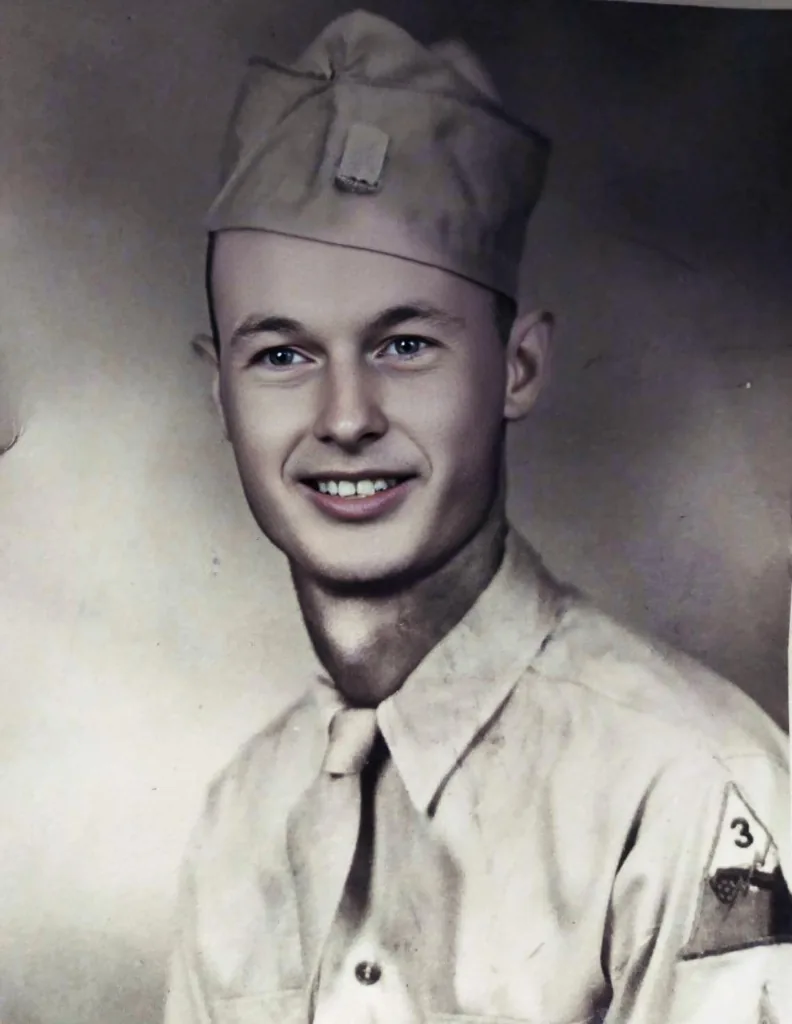
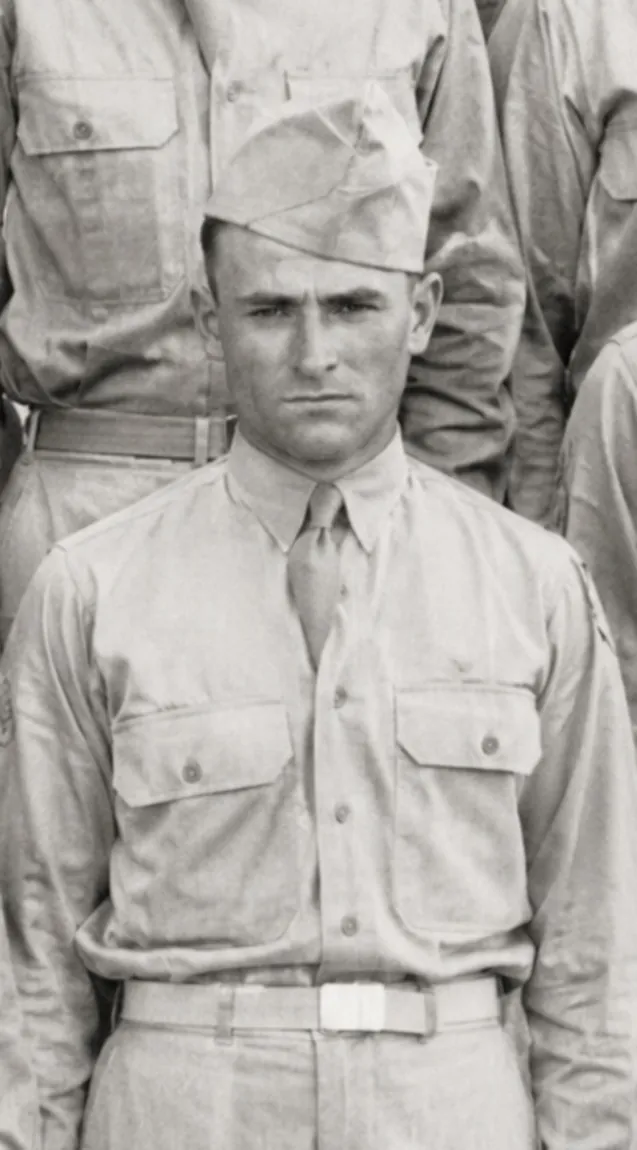
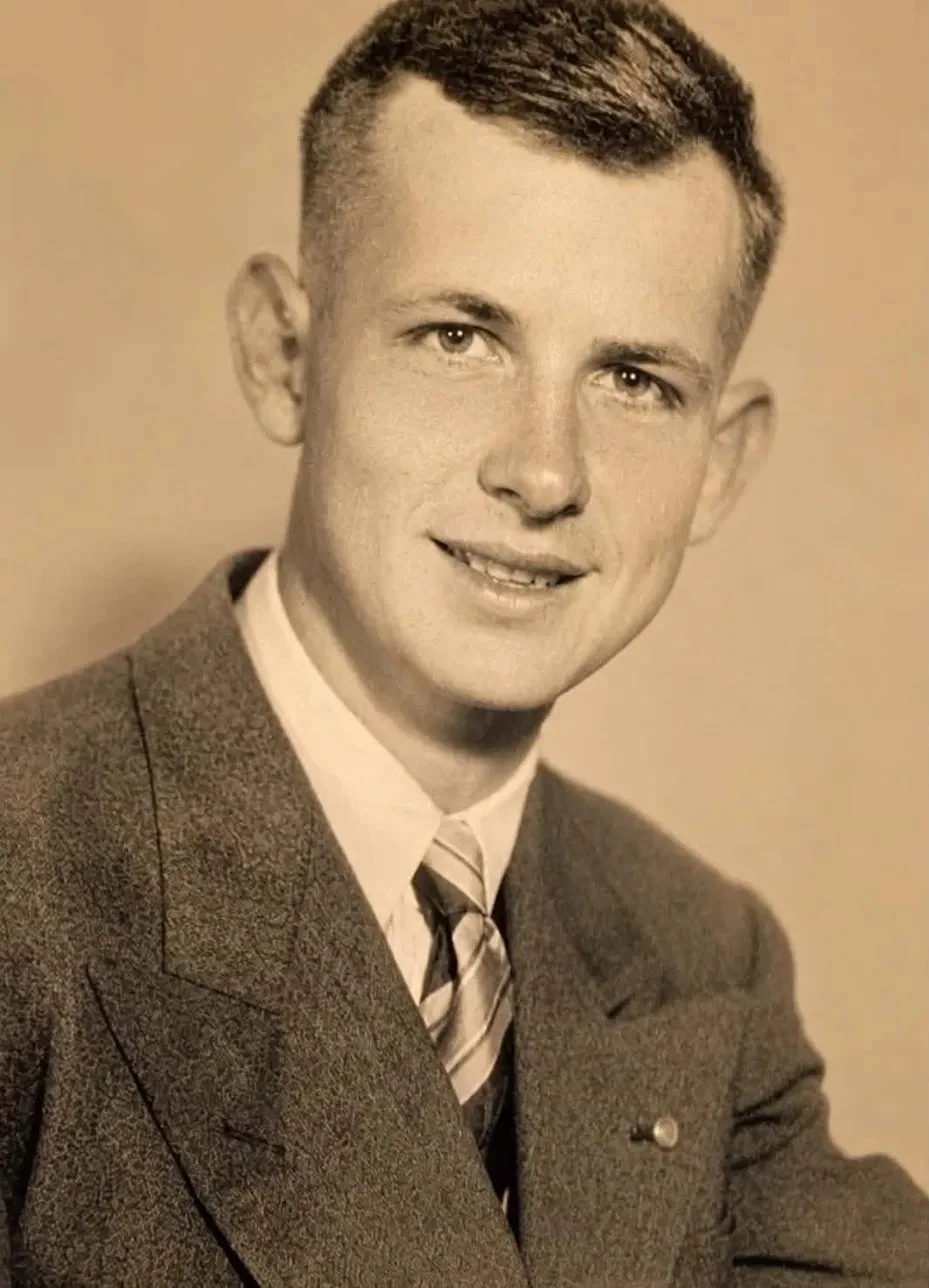
Everett W. Schafer was born on 23 June 1921. He registered with the U.S. Army on his twenty-first birthday, 23 June 1942, and entered active service on 20 July 1942 at Louisville, Kentucky. He was assigned to Battery C of the 315th Field Artillery Battalion and stationed at Camp Forrest, near Tullahoma, Tennessee, where he trained for sixteen months as a gunner on the 155 mm howitzer and rose to private first class, then corporal.
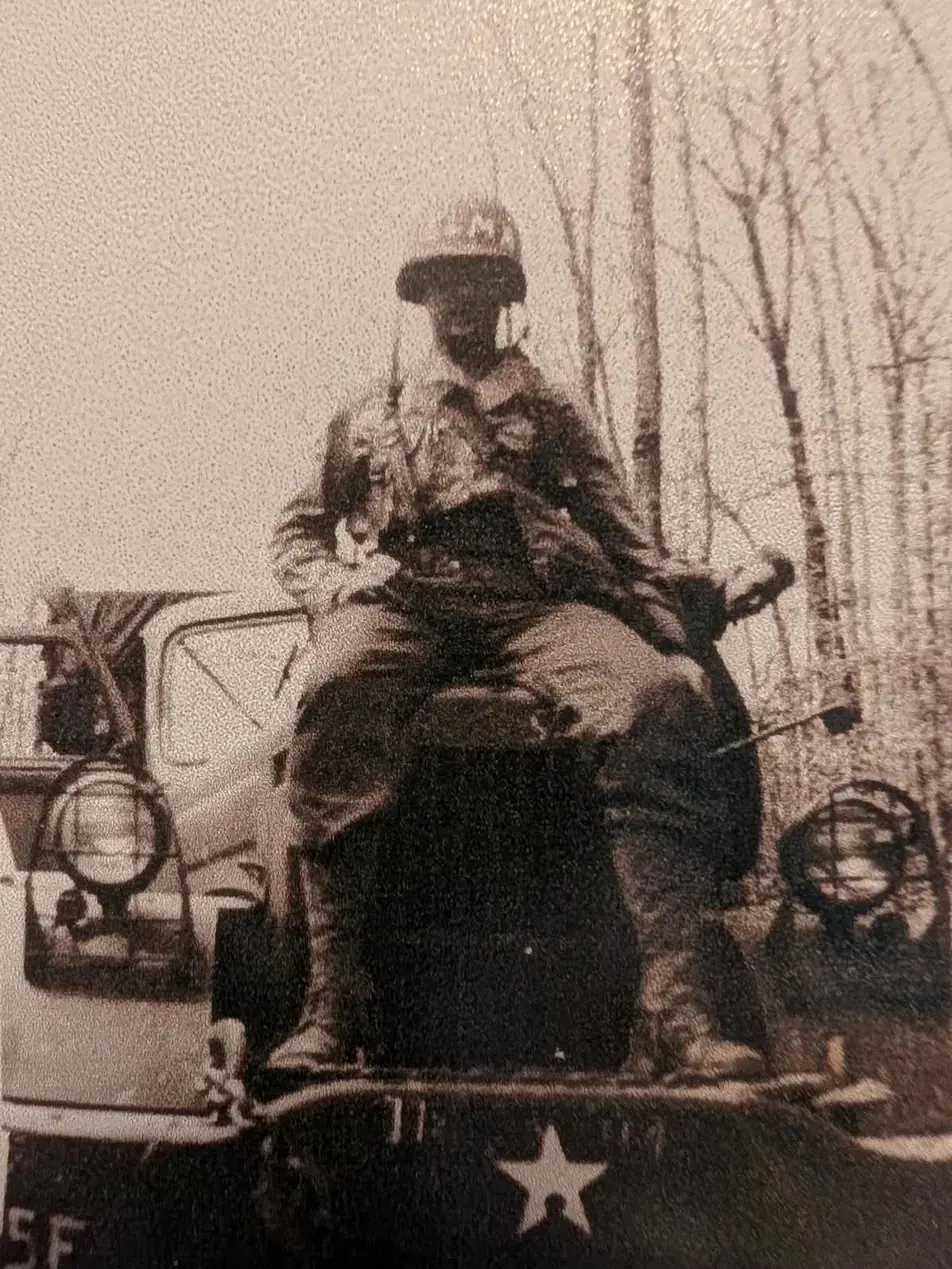
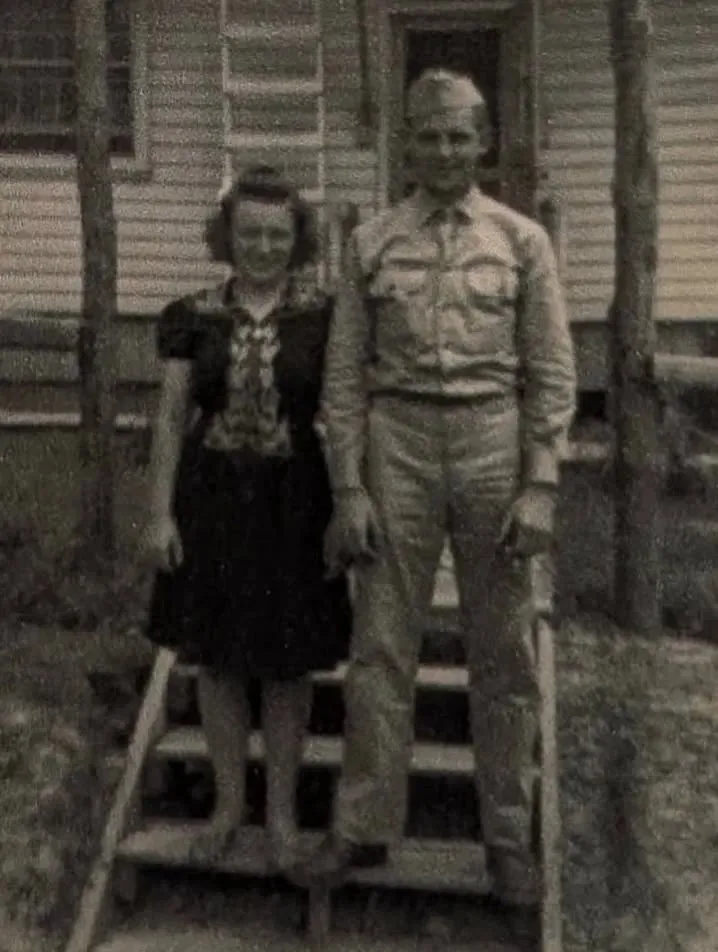
On weekends during the Tennessee posting, Schafer would drive his green 1936 Chevrolet back home to Madison, and family photographs show his relatives visiting him at the camp. One of these pictures, his son’s favourite, shows Everett seated on a vehicle, his helmet marked with the name “Elma” — that of his wife, Elma Heitz.
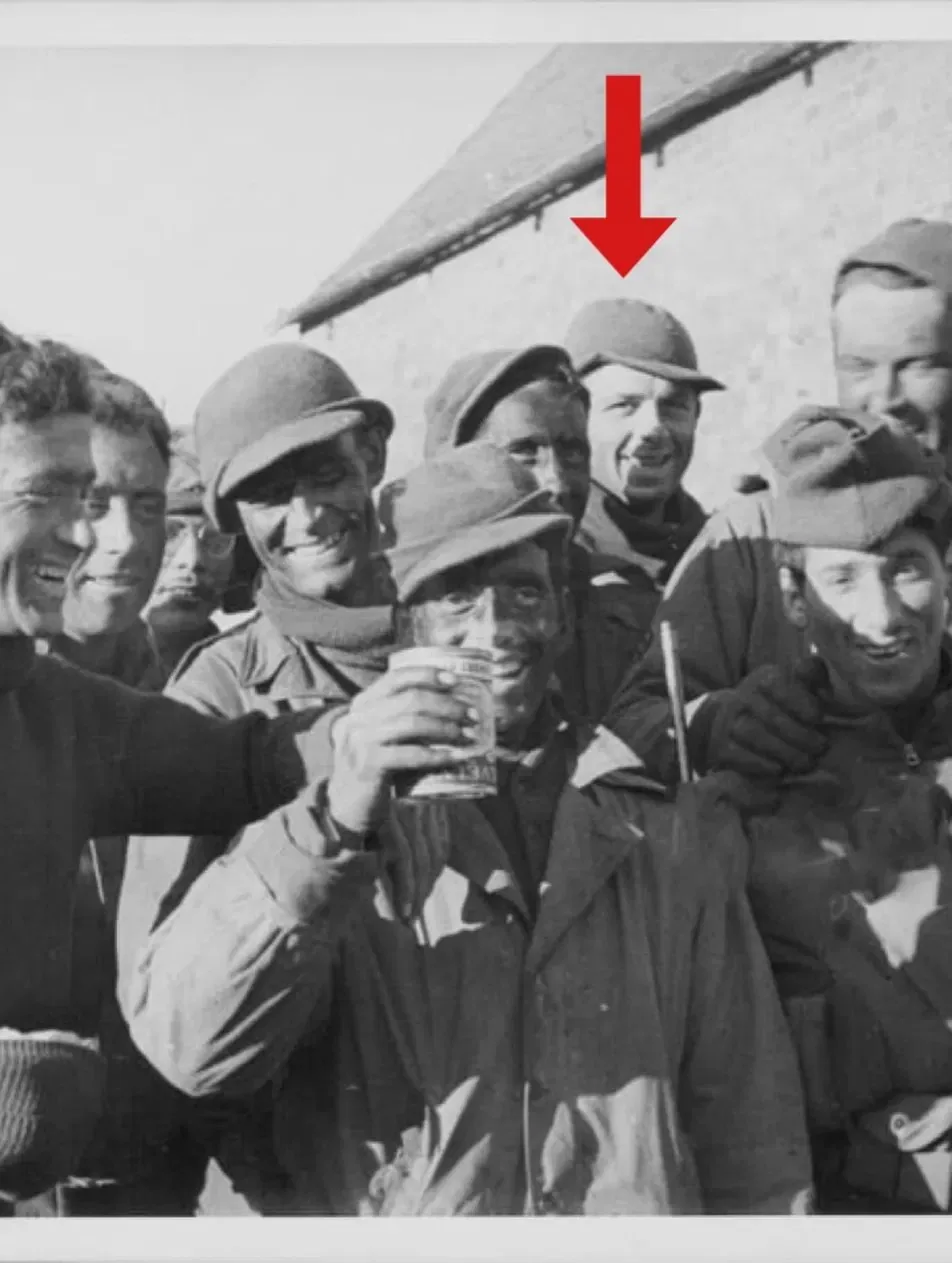
By December 1944 he was a staff sergeant, present at Marcouray with Task Force Hogan among the roughly 400 men cut off by the German advance during the Battle of the Bulge. On the night the unit walked out of what he called “the trap”, it was bitterly cold. Leading one of the groups, Schafer carried a German sidearm he had hidden in the flue of a house in Marcouray — convinced that if he were captured with an enemy weapon, he would be shot.
During the breakout, his group came upon a German sentry with his weapon trained directly on Schafer. He stopped and faced the sentry, arms spread wide and palms open to show he was no threat. The sentry did not fire. After a few long minutes, Schafer and his men began to edge slowly past; once enough of them had slipped by, the sentry’s advantage was gone and they reached safety.
“Dad said that he wished that he could return to Marcouray to see it again.”Norbert Schafer, his son
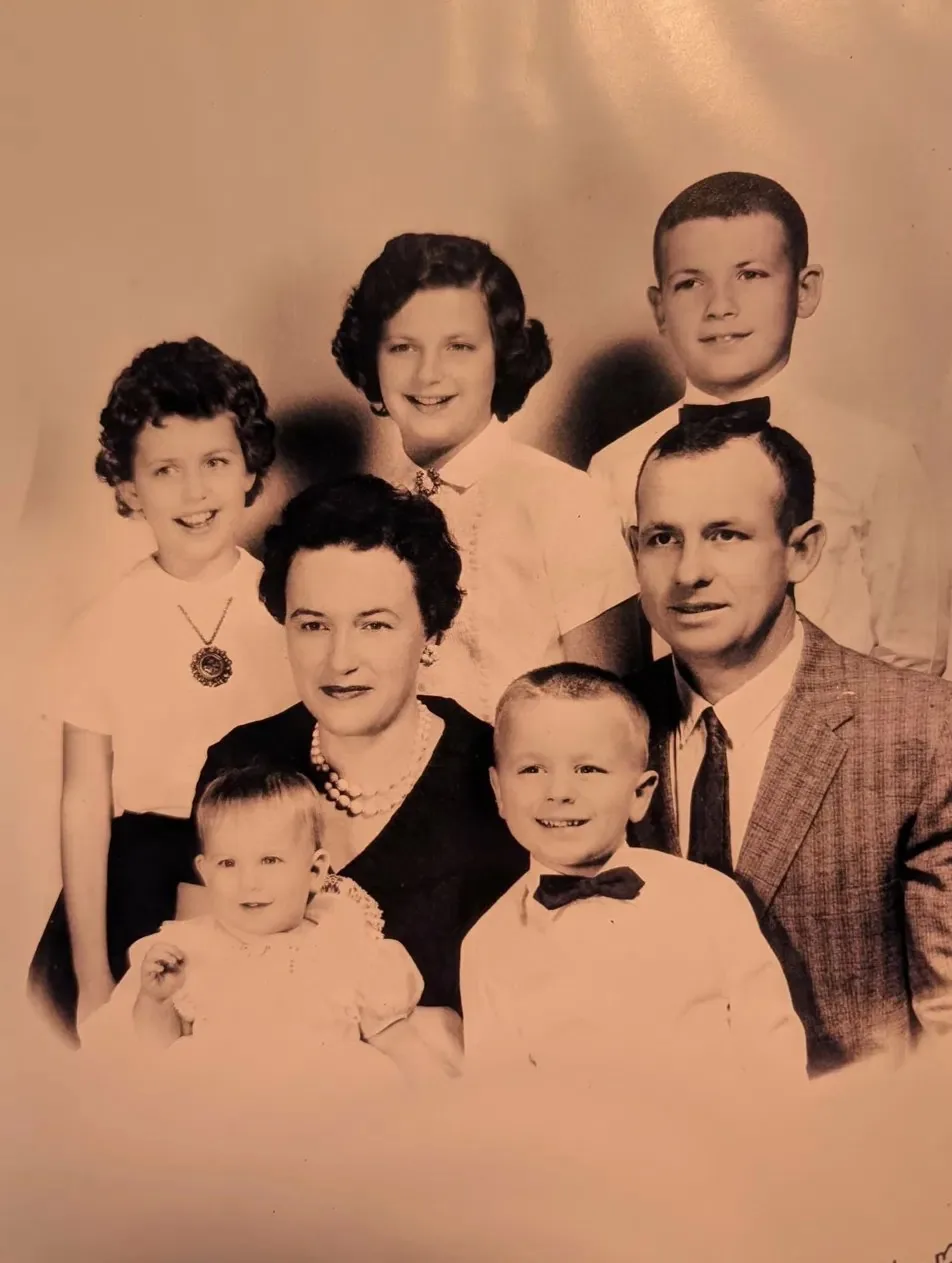
Everett Schafer rarely spoke of the war, but his son Norbert treasured the few stories he shared. He never made it back to Marcouray: Everett W. Schafer passed away in 1985. This page is, in a sense, his return.
A note on his unit: Schafer was trained in field artillery with the 315th Field Artillery Battalion before reaching Marcouray with Task Force Hogan, a 3rd Armored Division formation. Such transfers through the replacement system were common in late 1944, when the 3rd Armored Division was making good heavy losses. His exact path from the artillery to the breakout remains to be documented by his discharge papers; everything recounted here comes from his army record sheet and the testimony of his son Norbert.